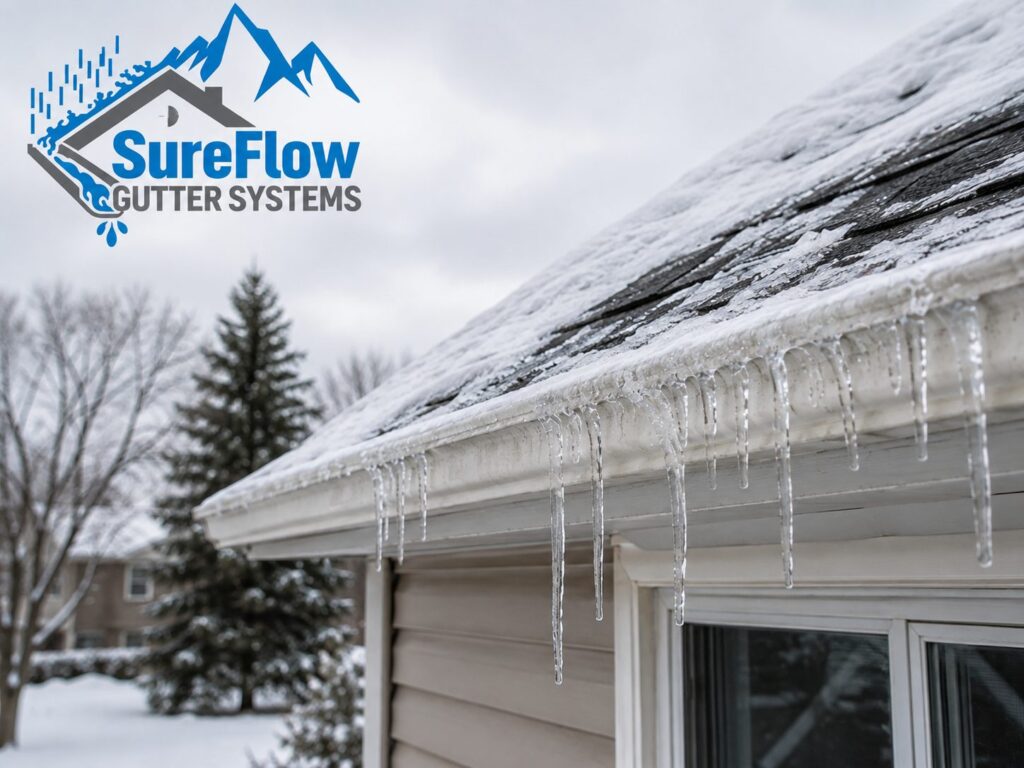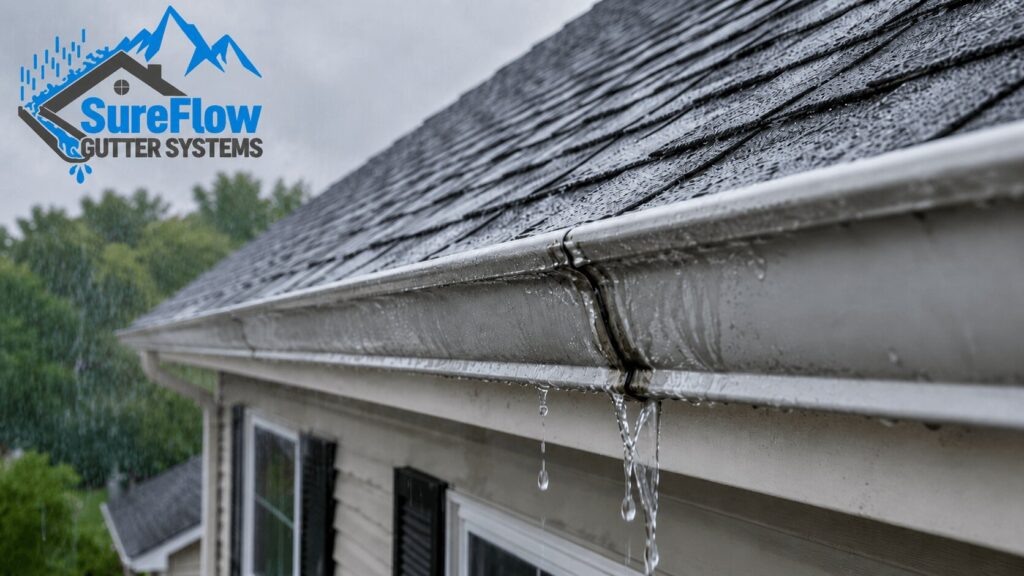
When leaves, pine needles, roof grit, and other debris block the gutter system, rainwater can spill over the edge instead of draining through the downspouts and away from the home. That overflow often lands right next to the foundation, where it can soak into the soil and seep through cracks, gaps, or weak areas around the basement walls.
Yes, clogged gutters can contribute to water in the basement. In our experience, homeowners do not always connect basement moisture with the gutters above. They may notice puddles, damp smells, water stains, or moisture after heavy rain and assume the problem starts underground, but often, the issue begins at the roofline, where water is not properly directed away from the house.
If your gutters are overflowing, downspouts are clogged, or water is pooling near the foundation, the gutter system may be adding more water around your home than the basement can handle.
In this article, we’ll explain how clogged gutters can lead to water in the basement, what signs to look for, and what you can do to fix the problem before it causes more damage.
Signs Your Gutters May Be Causing Basement Water
Clogged gutters are not the only reason a basement can take on water, but they are among the first things to check. If you notice any of the signs below, your gutter system may be sending too much water toward the foundation.
1. Gutters Overflow During Rain
The clearest sign usually appears when it is raining. From a safe spot, watch the gutter line during a steady rain. If water is sheeting over the front edge rather than draining through the downspouts, the system is not moving water as it should.
This often happens near corners, seams, low spots, or downspout openings. A clog in the gutter trough or downspout can force water to back up and spill over the lip. Every gallon that spills over lands near the base of the house instead of being carried away from the foundation.
If the overflow happens repeatedly in the same area, that is also where you are most likely to see soil erosion, washed-out mulch, siding stains, or basement moisture after storms.
2. Water Pools Around the Foundation After Rain
After the rain stops, walk around the outside of your home and look at the ground near the foundation. Standing water, soft mud, soggy soil, or washed-out landscaping can all be signs that your gutters are not moving water far enough away.
A working gutter and downspout system should collect roof runoff and direct it away from the home. When gutters overflow, that water concentrates in a narrow area along the foundation. Over time, the soil can become saturated, increasing the risk of water entering a basement or crawl space.
This is especially important if you notice puddles forming in the same spots after every storm. Repeated pooling usually means the drainage issue is not a one-time problem.
3. Gutters Sag or Pull Away From the Fascia
Look up at the gutter line and check for sections that droop, tilt, or pull away from the fascia board. A clogged gutter can hold standing water, wet leaves, pine needles, and debris. That added weight can be much more than the gutter was designed to carry.
Over time, the load can pull hangers loose and cause sections of the gutter to sag. Once the gutter develops a low spot, water collects there instead of flowing toward the downspout. That makes overflow even worse because water spills from the sagging section and falls directly beside the home.
Sagging gutters may also allow water to run behind the gutter and soak the fascia. If the wood behind the gutter starts to rot, the system can become even harder to secure properly.
4. Stains or Streaks Run Down the Siding or Fascia
Your home’s exterior can show signs of gutter overflow even when it is not raining. Look for dirty streaks, dark stains, peeling paint, or water marks on the siding, fascia, or soffits beneath the gutters.
Overflowing gutters often send debris-filled water down the side of the house. As that water dries, it can leave stains behind. These marks are a record of where water has been escaping from the gutter system.
If the same area is being soaked repeatedly, the problem is not just cosmetic. Water running down the siding and fascia can contribute to wood rot, mildew, paint damage, and moisture collecting around the foundation below.
5. Downspouts Are Not Draining Properly
A gutter can overflow even when the clog is not easy to see. In many cases, the blockage is inside the downspout, especially near an elbow or where the gutter connects to the outlet.
During rain, check whether water is actually coming out of the bottom of the downspout. If the gutter is full but little or no water is draining out, the downspout may be clogged. When water cannot exit the system, it backs up into the gutter and eventually spills over near the roofline.
This is one of the most common reasons homeowners think their gutters are clean but still have overflow problems. The trough may look clear from the ground, while the real blockage is hidden lower in the system.
6. Soil, Mulch, or Landscaping Is Washed Out Below the Gutters
Overflowing gutters often leave signs on the ground. Washed-out mulch, exposed soil, small trenches, or dirt splashed onto the siding can all point to water falling where it should not.
This matters because the same water that damages landscaping can also collect near the foundation. If enough roof runoff collects in one area, it can erode soil, create low spots, and make it easier for water to pool against the home.
If you keep replacing mulch or noticing the same flower beds getting washed out after rain, the gutters above that area may be clogged, overflowing, or draining incorrectly.
7. The Basement or Crawl Space Feels Damp or Smells Musty
The sign that prompts most homeowners to look for answers is usually inside the home. A basement or crawl space that feels damp, smells musty, or shows water stains after rain may be dealing with an exterior drainage problem.
A musty smell often means moisture has been present long enough to support mildew or mold growth. Damp patches on walls, wet corners, peeling paint, or moisture along the floor can also point to water pressure outside the foundation.
Clogged gutters may not be the only cause, but they can exacerbate the problem. By the time you notice moisture indoors, water may have been collecting near the foundation for a while. That is why it is important to trace the problem back outside and check whether the gutters and downspouts are doing their job.
How to Fix Basement Water Caused by Clogged Gutters
If clogged gutters are sending water toward your basement or crawl space, you should get roof runoff moving through the gutter system and away from the foundation. That usually means clearing the blockage, checking the downspouts, and making sure the water is being discharged far enough from the home.
Here are the main steps we look at:
1. Clean the Gutters Completely
The first step we take is to remove all leaves, pine needles, roof grit, dirt, and debris from the gutter trough. A partial cleaning may not be enough, especially if debris is packed near the outlets where the gutters connect to the downspouts.
This is where many overflow problems start. The gutter may still move some water during light rain, but once a heavier storm comes through, the buildup blocks the flow and forces water over the edge.
After the debris is removed, we flush the gutters with water to ensure they drain toward the downspouts. If water still sits in the trough, there may be a pitch issue, a sagging section, or a hidden blockage lower in the system.
2. Clear the Downspouts
A clean gutter can still overflow if the downspout is clogged. This is one of the most common things homeowners miss because the blockage is not always visible from the ground.
Debris often gets packed into elbows, outlets, or the vertical section of the downspout. When that happens, water backs up into the gutter and spills over near the roofline. All of that overflow then collects near the foundation, which can contribute to moisture in the basement or crawl space.
To fix this, we flush the downspouts and check from top to bottom. If water does not drain freely, the clog may need to be cleared with pressure, a snake, or by taking apart part of the downspout.
3. Make Sure Downspouts Drain Away From the Foundation
Even if the gutters and downspouts are clear, they can still cause basement water if the downspouts release water too close to the house. A downspout that dumps roof runoff right beside the foundation is not much better than an overflowing gutter.
The water needs to be directed away from the home before it is released. In many cases, this can be done with downspout extensions, splash blocks, or underground drainage lines that carry water to a better discharge area.
The important thing is that the water moves away from the foundation, not back toward it. If the yard slopes toward the house, short extensions may not be enough, and a better drainage plan may be needed.
4. Check Underground Drain Lines
Some homes have downspouts connected to underground drain lines. These can work well when they are clear, but when they clog, collapse, or become packed with debris, water can back up into the gutter system or overflow near the foundation.
A common sign of this problem is water backing up near the bottom of the downspout, overflowing from the gutter above, or pooling in the same area after every storm.
If an underground line is blocked, it may need to be cleaned, repaired, or redirected. In some cases, disconnecting the downspout from a failed underground drain and routing the water above ground may be the better solution.
5. Repair Sagging or Loose Gutters
Clogged gutters often hold standing water and wet debris, which adds a lot of weight to the system. Over time, that weight can pull hangers loose, cause the gutter to sag, or separate the gutter from the fascia board.
Once the gutter sags, water collects in the low spot instead of flowing toward the downspout. That makes overflow worse and sends even more water toward the foundation.
The fix may involve re-securing the gutter, replacing loose hangers, correcting the hanger spacing, and resetting the pitch. If the fascia board behind the gutter has started to rot, that wood needs to be repaired before the gutter can be properly fastened again.
6. Correct the Gutter Pitch
Gutters need a slight slope toward the downspouts. If the pitch is too flat or angled the wrong way, water can sit in the trough instead of draining. During the next storm, the standing water leaves less room in the gutter and makes overflow more likely.
This can happen from poor installation, loose fasteners, sagging sections, or fascia problems. The sign is usually water sitting in the gutter after rain or overflow happening from the same spot every time.
To fix it, the gutter run needs to be adjusted so water moves toward the downspout. On longer runs, that may mean rehanging the section so the slope is consistent from end to end.
7. Seal Leaks and Repair Damaged Sections
Not all gutter-related basement water comes from water spilling over the front edge. Leaks at seams, corners, end caps, or damaged sections can also cause water to run down the side of the house and into the soil near the foundation.
Small leaks may be sealed if the gutter is still in good condition. Damaged sections, rusted areas, loose corners, or failing seams may need to be repaired or replaced. If leaks keep recurring in multiple places, the system may be nearing the point where replacement makes more sense than repeated repairs.
8. Add Gutter Guards if Debris Keeps Causing Clogs
If the gutters keep clogging because of trees around the home, gutter guards may help reduce the amount of leaves, pine needles, and debris entering the system. They can be especially helpful in homes where clogged gutters are causing repeated overflow near the foundation.
Gutter guards are not a cure for every drainage problem, and they still need to be matched to the home. The wrong type of guard can shed water during heavy rain or collect debris on top. But when installed properly, they can reduce maintenance and help keep water moving through the gutters more consistently.
9. Address Grading and Drainage Around the Home
Gutters are only one part of the drainage picture. If the ground around the home slopes toward the foundation, water may still collect near the basement even after the gutters are cleaned and repaired.
The soil near the foundation should encourage water to move away from the house. Low spots, settled soil, compacted clay, and landscaping beds that trap water can all worsen basement moisture.
If gutters are working properly but water still pools against the home, the yard grading or drainage may also need attention.
Schedule Your Free Gutter Inspection
If your gutters are overflowing, sagging, or sending water toward your foundation, the sooner you address it, the better your chances of avoiding foundation and moisture damage inside the house.
At SureFlow Gutters, we start with a free on-site inspection. We check the entire system, identify where water is escaping, and honestly tell you whether you need cleaning, repair, or replacement. We cut seamless gutters on site to fit your roofline, install gutter covers that keep debris out, and set up downspouts that carry water well clear of your foundation.
We serve homeowners across Seneca, Greenville, Anderson, Clemson, Easley, Simpsonville, Pickens, and the surrounding Upstate communities. Call us today at (864)539-6903 to schedule your free inspection, or reach us through our contact page. Let us help keep the water where it belongs, outside and away from your home.